


My Neighbor's Tree Fell on My House: How to Prove Negligence in Texas Property Disputes
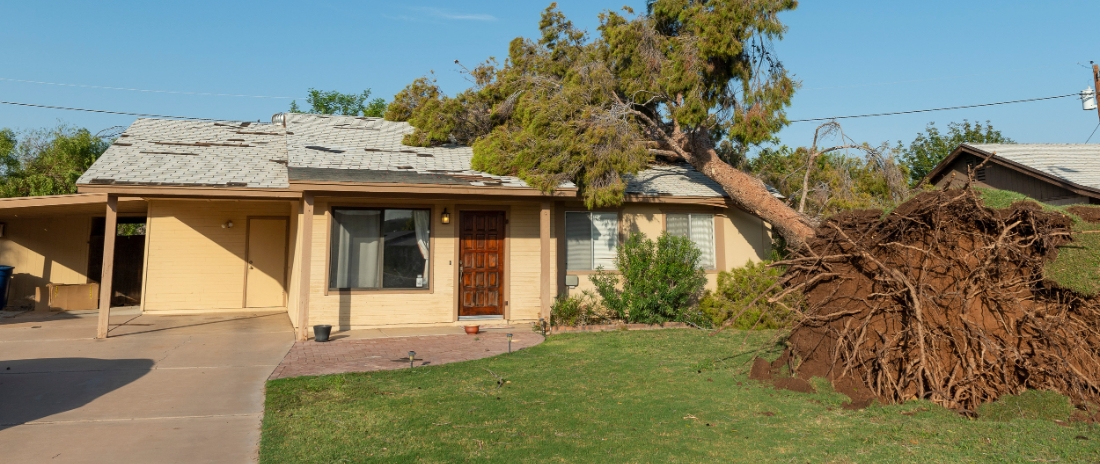
A severe storm sweeps through Texas, a tornado, or perhaps a sudden gust of wind. You hear a terrifying crash, and when you look outside, you see it: your neighbor's massive tree has fallen directly onto your house, crushing your roof, damaging your fence, and your car. Your immediate thoughts jump to safety and making sure everyone’s ok, then to the cost of repairs, and inevitably, "Who is responsible for this?"
While your first instinct might be to call your insurance company or even your neighbor, navigating property damage disputes caused by a neighbor's tree can be surprisingly complex in Texas. It's not always as simple as "their tree, their problem." Texas law distinguishes between acts of nature and negligence, and proving fault is crucial to determining who ultimately bears the financial burden.
Understanding your rights and the steps to take can make all the difference in securing the compensation you need for repairs and recovery. This comprehensive guide will walk you through the legal complexities of Texas tree damage cases and help you understand when you may have a valid claim against your neighbor.
Is Your Neighbor Automatically Liable for Tree Damage in Texas?
In Texas, property owners are not automatically liable for damage caused by their trees falling due to natural causes, such as storms, high winds, or lightning, unless there is some form of pre-existing negligence. This concept often falls under the legal principle of an "Act of God." If the tree was healthy, well-maintained, and fell due to unforeseeable natural forces, your neighbor might not be held responsible.
However, the situation changes significantly when negligence can be proven. Negligence means your neighbor failed to exercise reasonable care in maintaining their property, and this failure directly led to the tree falling and causing damage. This distinction is where many homeowners find themselves confused, and where professional legal guidance becomes invaluable.
The key difference lies in whether the tree's fall was truly unforeseeable or if warning signs existed that a reasonable property owner should have addressed.
What Constitutes Negligence in Texas Tree Damage Cases?
Proving negligence in Texas tree damage cases requires demonstrating four essential elements:
- Duty of Care: Your neighbor had a legal duty to maintain their property in a reasonably safe manner, including inspecting trees for obvious hazards and taking appropriate action when risks are identified.
- Breach of Duty: Your neighbor failed to uphold that duty by ignoring clear warning signs or failing to take reasonable steps to address known tree hazards.
- Causation: The breach of duty directly caused the tree to fall and damage your property. There must be a clear connection between their negligence and your damages.
- Damages: You suffered actual monetary losses as a result of the damage, including repair costs, property value reduction, or temporary displacement expenses.
Common Examples of Tree-Related Negligence
Understanding what constitutes negligence can help you evaluate whether you have a valid claim:
- Diseased or Decaying Trees: When a tree shows visible signs of disease, rot, or structural weakness, and the owner fails to have it professionally assessed or removed despite obvious warning signs.
- Dead Trees: Trees that have been dead for an extended period pose obvious risks. Allowing a dead tree to remain standing when it could reasonably fall and cause damage may constitute negligence.
- Overgrown or Poorly Maintained Trees: Excessively large trees with branches extending over property lines, especially those showing signs of weakness or structural instability.
- Ignored Warnings: When neighbors have previously notified the tree owner in writing about hazardous conditions, and the owner has failed to take reasonable action.
- Improper Tree Work: When property owners attempt DIY tree removal or hire unqualified individuals, it can lead to structural problems that cause the tree to fall unexpectedly.
- Root System Problems: Trees with compromised root systems due to construction, soil changes, or disease that create instability, the owner should reasonably address.
How Do You Gather Evidence for a Texas Tree Damage Claim?
Building a successful negligence case requires the collection of comprehensive evidence. Many homeowners struggle with this aspect because it demands specific documentation and sometimes professional assessments.
Immediate Documentation Steps
- Comprehensive Photo and Video Evidence: Document the fallen tree and all property damage immediately after the incident. Capture multiple angles, including close-up details and wide shots, to show the full scope of the damage. Include time-stamped images when possible.
- Pre-Incident Evidence: This is often the most crucial evidence. Do you have photos of the tree before it fell, showing its unhealthy condition? Have you sent written communications to your neighbor regarding tree concerns? Any evidence that demonstrates the neighbor's knowledge of the hazard strengthens your case significantly.
- Witness Statements: Collect statements from neighbors, visitors, or passersby who observed the tree's poor condition before it fell. Written statements with contact information provide valuable third-party confirmation of pre-existing problems.
Professional Assessments and Reports
- Arborist Evaluations: Independent certified arborists can examine the fallen tree and often determine whether its fall resulted from pre-existing conditions that should have been addressed. Their professional opinions carry significant weight in legal proceedings.
- Structural Engineer Reports: For significant property damage, structural engineers can assess the full extent of damage and provide detailed repair estimates and safety evaluations.
- Emergency Service Reports: Police, fire department, or emergency management reports may contain important details about the incident and initial observations about the tree's condition.
What Should You Do Immediately After Tree Damage?
Taking the proper steps immediately after tree damage can significantly impact your ability to recover compensation later.
- Ensure Safety First: Check for injuries and evacuate if structural damage poses ongoing risks.
- Contact Emergency Services: If there are safety hazards, utility damage, or injuries.
- Document Everything: Take extensive photos and videos before cleanup begins.
- Notify Your Insurance Company: Report the damage promptly to start your claims process.
- Preserve Evidence: Don't allow cleanup crews to remove or dispose of the tree without documentation.
- Secure Your Property: Take reasonable steps to prevent further damage while preserving evidence.
Be careful about early communications with your neighbor or their insurance company. While maintaining neighborly relations is important, avoid making statements that could be interpreted as accepting fault or minimizing the seriousness of the situation.
How Do Insurance Claims Work in Tree Damage Cases?
Tree damage cases often involve multiple insurance policies and complex coverage questions. Understanding your options helps you make informed decisions about how to proceed.
Your Homeowners’ Insurance Coverage
Filing a claim with your own homeowners insurance is typically the quickest way to begin repairs. Your policy should cover the damage regardless of fault, minus your deductible, of course. However, this approach has both advantages and considerations:
Advantages:
- Faster repair process initiation
- No need to prove the neighbor's fault initially
- Coverage regardless of liability determination
Considerations:
- You'll pay your deductible upfront
- Claims may affect your future premiums
- Your insurer may pursue subrogation against your neighbor
Neighbor's Liability Insurance
If you can establish your neighbor's negligence, you may file a claim directly against their homeowners' liability coverage. This approach can be beneficial because:
- You typically won't pay a deductible
- It doesn't affect your insurance rates
- Full compensation may be available for all damages
However, the neighbor's insurance company will likely investigate thoroughly and may dispute liability or the amount of damages you’ve claimed, potentially leading to delays.
When Insurance Companies Disagree
Disputes often arise when insurance companies disagree about liability or the extent of damage. Your insurer might deny certain aspects of your claim, while your neighbor's insurer may reject liability entirely. These situations often require professional legal intervention to be resolved fairly.
When Should You Contact an Attorney?
Several situations warrant consulting with a property damage attorney experienced in Texas tree damage cases:
- Complex Liability Questions: When it's unclear whether negligence exists or multiple factors contributed to the tree's fall.
- Insurance Disputes: When insurers deny claims, offer inadequate settlements, or engage in bad faith practices.
- Significant Damages: When repair costs are substantial, or you've suffered additional losses like temporary displacement or lost property value.
- Multiple Properties Affected: When the fallen tree damaged several properties, creating complex liability and coverage issues.
- Neighbor Disputes: When your neighbor refuses to cooperate, or their insurance company denies liability despite clear evidence of negligence.
What Can an Attorney Do for Your Tree Damage Case?
An experienced civil litigation attorney, with a focus on Texas property damage cases, can provide crucial assistance:
Investigation and Evidence Development
Attorneys have the resources to conduct thorough investigations, including hiring forensic arborists, engineers, and other professionals to establish negligence and accurately quantify damages. They understand what evidence is most persuasive and how to present it effectively.
Legal Strategy and Case Development
Texas property law, negligence statutes, and insurance regulations create a complex legal framework. Attorneys navigate these laws to build the strongest possible case and ensure all potential claims are identified and pursued.
Insurance Company Communications
Dealing with insurance adjusters and opposing counsel can be challenging for homeowners. Attorneys handle all communications, preventing inadvertent statements that could harm your case while ensuring your rights are protected throughout the process.
Negotiation and Settlement
Skilled negotiators can push for fair settlements that fully compensate you for all damages, including repair costs, diminished property value, temporary living expenses, and other losses you might not have considered.
Court Representation
When fair settlements cannot be reached through negotiation, attorneys can file lawsuits and represent you in court, presenting evidence and legal arguments effectively to judges and juries.
Bad Faith Insurance Claims
If your own insurance company denies legitimate claims or engages in unfair practices, attorneys can pursue bad faith insurance claims to compel proper treatment and potentially recover additional damages.
What Damages Can You Recover in Texas Tree Cases?
Understanding potential recoverable damages helps you evaluate your case's full value:
Property Damage Costs
- Complete repair or replacement of damaged structures
- Landscaping restoration
- Personal property replacement
- Debris removal and cleanup costs
Additional Economic Losses
- Temporary housing expenses during repairs
- Lost rental income if you rent part of your property
- Diminished property value
- Emergency mitigation costs
Non-Economic Damages
In cases involving significant negligence or when physical injury occurs, you might recover compensation for:
- Pain and suffering
- Emotional distress
- Loss of property enjoyment
How Long Do You Have to File a Tree Damage Claim in Texas?
Texas statutes of limitations affect your ability to pursue claims:
- Property Damage Claims: Generally, you have two years from the date of damage to file a lawsuit against your neighbor for negligence.
- Insurance Bad Faith Claims: These typically must be filed within two years of the insurance company's wrongful conduct or when you reasonably discovered the insurance company’s wrongful or deceptive conduct.
- Subrogation Claims: If your insurer pays your claim and pursues your neighbor, different timeframes may apply.
Acting promptly protects your rights and ensures evidence remains available and witnesses' memories stay fresh.
Preventing Future Tree Damage Issues
While this guide focuses on handling existing damage, prevention strategies can help avoid future problems:
- Regular property inspections, especially after severe weather
- Professional tree assessments for large or aging trees
- Proper maintenance and pruning by qualified arborists
- Good neighbor communication about shared property line concerns
- Adequate insurance coverage review and updates
Conclusion
Tree damage from neighboring properties creates complex legal and insurance challenges that require careful navigation. While not every fallen tree creates liability, understanding when negligence exists and how to prove it can mean the difference between absorbing thousands in repair costs or receiving full compensation for your losses.
Texas law provides pathways for recovery when property owners fail to maintain their trees responsibly, but successfully pursuing these claims often requires professional legal guidance. Don't assume you must simply accept the financial burden when your neighbor's negligence contributes to property damage.
If you're dealing with tree damage from a neighbor's property, remember that time is often critical. Evidence can deteriorate, witnesses' memories fade, and insurance companies may become less cooperative as time passes. Taking prompt action to document everything, understand your rights, and seek professional guidance when needed provides a solid foundation for achieving a fair resolution and recovering the compensation you deserve to restore your property.

Other Insights


How Michigan's Damage Caps Quietly Shape Case Strategy
How Michigan's Move Over Law Applies to a Recent Lansing Semi-Truck Crash

How Personal Injury Claims Are Evaluated in Lansing



Comments