

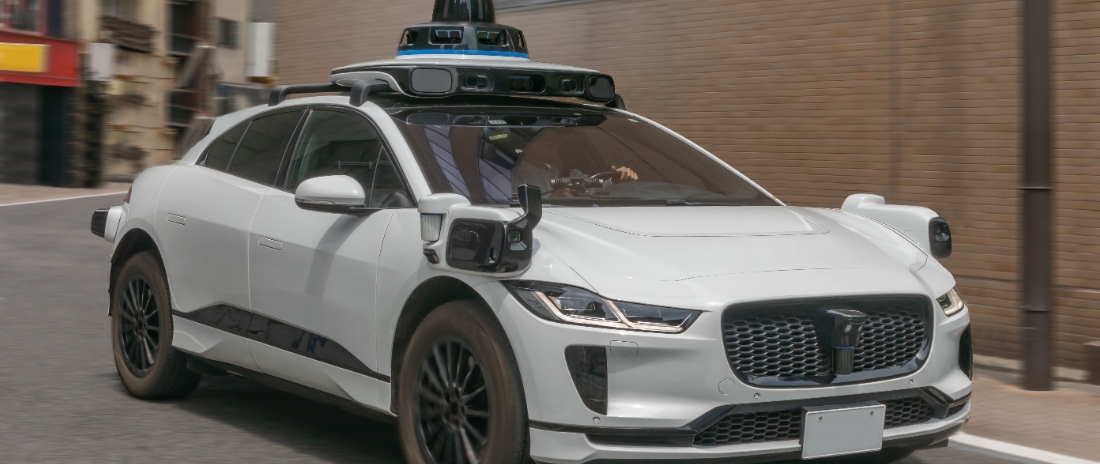

Modern vehicles equipped with advanced driver assistance systems (ADAS) and autonomous features are rapidly changing how we experience transportation. While these technologies promise enhanced safety, they simultaneously introduce unprecedented liability challenges and accident scenarios that traditional traffic laws and insurance frameworks struggle to address.
Technology Failures Behind the Wheel
Smart car systems rely on sophisticated sensors, cameras, and software algorithms to make split-second decisions. When these systems malfunction, the consequences can be catastrophic. According to the National Highway Traffic Safety Administration, there were 3,979 reported incidents involving automated vehicles through June 2024, with 473 incidents reported in 2024 alone.
Sensor blindness represents a significant risk factor. Rain, snow, fog, or even bright sunlight can impair cameras and radar systems, causing vehicles to misinterpret their surroundings. Software glitches present another major concern, as programming errors can cause unexpected behavior when autonomous systems fail to engage properly. These technical failures often lead to complex car accident lawsuits involving multiple parties, including manufacturers, software developers, and component suppliers.
The Human Factor in Automated Systems
Driver overreliance on smart car features creates dangerous scenarios that traditional safety training has never addressed. Many drivers develop false confidence in their vehicle's capabilities, leading to distracted or inattentive behavior behind the wheel.
Tesla's Autopilot system, despite its name, requires constant driver attention and readiness to take control. However, investigations have revealed that some drivers engage in activities like reading, texting, or even sleeping while their vehicles operate in semi-autonomous modes.
The learning curve associated with new technologies also contributes to accident risks. Features like adaptive cruise control, lane-keeping assistance, and automatic parking require drivers to understand their limitations and proper usage.
Legal Implications and Liability Questions
Smart car accidents create unprecedented challenges for determining fault and liability. Traditional cases typically involve human error, but autonomous vehicle incidents may implicate manufacturers, software companies, and even mapping services.
Product liability claims against automotive manufacturers are becoming more common as smart car systems fail. When a vehicle's autonomous features cause an accident, victims may pursue compensation from the company that designed, manufactured, or programmed the faulty system.
Insurance companies are still adapting their policies and claims processes to address smart car accidents. When accidents involve autonomous features, determining whether the human driver or the vehicle's technology bears responsibility becomes difficult. This ambiguity often leads to prolonged legal battles that affect victims seeking compensation through personal injury lawyers.
Cybersecurity Threats and Data Vulnerabilities
Connected vehicles face cybersecurity threats that can directly impact road safety. Hackers can access vehicle control systems remotely, manipulating steering, braking, or acceleration functions. While such attacks remain rare, cybersecurity researchers have demonstrated vulnerabilities in various smart car models.
The increasing connectivity between vehicles and infrastructure creates additional attack vectors. As smart cities implement vehicle-to-infrastructure (V2I) communication systems, the potential for coordinated attacks affecting multiple vehicles simultaneously grows. These scenarios could result in mass casualty events requiring comprehensive legal responses and potentially massive wrongful death claims.
Regulatory Challenges and Safety Standards
Current federal and state regulations lag behind the rapid pace of automotive technology development. The NHTSA and other regulatory bodies struggle to create comprehensive safety standards for emerging technologies while balancing innovation with public safety.
Many smart car features operate in regulatory gray areas where manufacturers self-certify their systems' safety. This approach places significant responsibility on companies to ensure their products meet appropriate safety standards before reaching consumers.
State laws governing autonomous vehicles vary significantly, creating confusion for manufacturers and drivers alike. Some states have embraced testing and deployment of self-driving cars, while others maintain strict restrictions.
Moving Forward Safely
As smart car technology continues advancing, drivers must remain vigilant about their vehicle's capabilities and limitations. Reading owner's manuals, attending manufacturer training sessions, and staying updated on software updates can help prevent accidents caused by misunderstanding advanced features.
Manufacturers bear responsibility for clear communication about system limitations and proper usage. Warning systems, user interfaces, and documentation must effectively convey when human intervention is required.
Protect Your Rights After Smart Car Accidents
The emergence of smart car technology fundamentally changes how we approach vehicle safety and accident liability. While these systems offer significant potential benefits, they also introduce new risks that require careful consideration from drivers, manufacturers, and legal professionals.
When smart car accidents occur, victims need experienced legal representation that addresses both traditional traffic law and emerging technology issues. The intersection of advanced automotive technology and personal injury law requires advanced knowledge to ensure accident victims receive appropriate compensation for their injuries and losses.
If you or a loved one has been involved in a smart car accident, contact us for experienced legal guidance. Our team understands the unique challenges these cases present and can help protect your rights while you focus on recovery.

Other Insights


How Michigan's Damage Caps Quietly Shape Case Strategy
How Michigan's Move Over Law Applies to a Recent Lansing Semi-Truck Crash

How Personal Injury Claims Are Evaluated in Lansing



Comments