

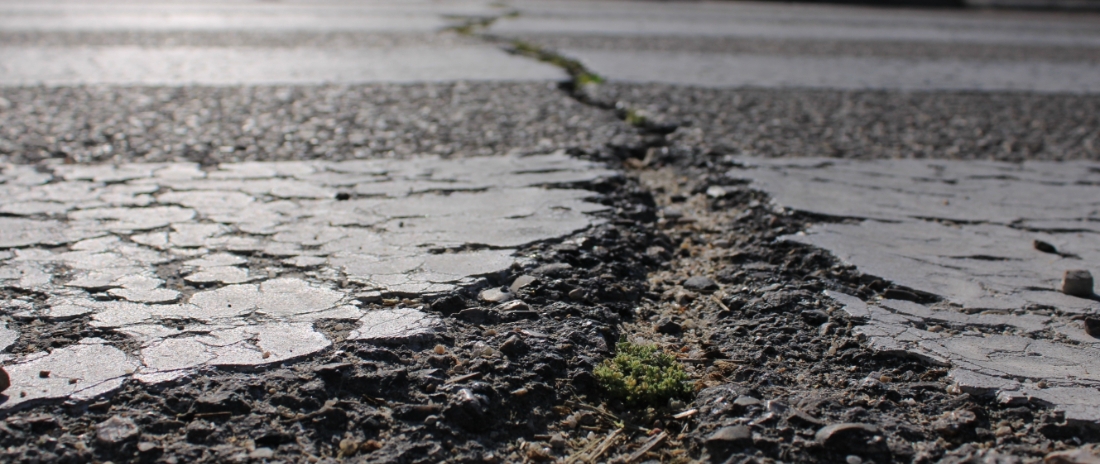

Every day, thousands of Louisiana drivers traverse roads built decades ago with outdated safety standards and technology. From aging highways connecting Baton Rouge to Shreveport to high-speed arterials through New Orleans, inadequate road engineering directly contributes to preventable fatalities and life-altering injuries across the state.
While Louisiana saw some traffic safety improvements in 2024, pedestrian and cyclist deaths increased significantly, with 161 pedestrians and 44 cyclists killed. When roadway deficiencies contribute to these accidents, victims may have grounds for car accident lawsuits against responsible government entities or contractors.
Common Design Flaws on Louisiana Roads
Road engineers face numerous challenges when balancing cost, functionality, and safety. However, certain design elements consistently contribute to accidents when implemented poorly or neglected entirely.
Inadequate Sight Distance
Roads with insufficient sight lines create deadly blind spots where drivers cannot see oncoming hazards until it's too late. These problems appear frequently on Louisiana's rural highways and aging urban corridors.
Common sight distance issues include:
- Sharp curves without proper banking on rural routes
- Hills that obstruct forward vision
- Intersections with limited corner clearance
- Overgrown vegetation blocking driver visibility
Insufficient Shoulder Width
Narrow or nonexistent shoulders eliminate safe spaces for disabled vehicles and provide no room for error when drivers drift from travel lanes. According to the National Highway Traffic Safety Administration, roads without adequate shoulders experience 40% more run-off-road fatalities.
Poor Drainage and Flooding
Louisiana's climate creates unique drainage challenges. Water accumulation on roadway surfaces leads to hydroplaning conditions that can cause vehicles to lose control instantly. Roads without proper crown design or adequate storm drains allow standing water to persist during the state's frequent heavy rainfall events.
Flash flooding in low-lying areas represents another serious hazard, where drivers encounter sudden deep water that can sweep vehicles off roadways.
Louisiana's Pedestrian Safety Crisis
Recent studies by the Louisiana Transportation Research Center identified serious deficiencies in pedestrian facilities on high-speed arterials throughout the state, particularly affecting older adults and younger pedestrians. Poor crosswalk design, inadequate lighting, and missing sidewalks force pedestrians to risk their lives daily.
The state's dangerous road conditions result in severe consequences:
- Permanent disabilities requiring lifelong care
- Traumatic brain injuries affecting cognitive function
- Spinal cord damage resulting in paralysis
- Fatal accidents leading to wrongful death claims
Who Can Be Held Liable
Government entities responsible for road design and maintenance can be held accountable when their negligence contributes to accidents. However, pursuing claims against government agencies involves specific legal procedures and shorter filing deadlines than standard civil cases.
Proving Design Negligence
Successful claims require demonstrating specific failures:
- Engineers ignored established safety guidelines
- Known hazards remained unaddressed despite available funding
- Construction deviated from approved safety plans
- Routine maintenance was neglected over extended periods
Louisiana's Department of Transportation and Development (DOTD) maintains design standards that must be followed. When these standards are violated or ignored, accident victims have legal recourse.
Modern Safety Solutions
Contemporary road design incorporates numerous proven safety features that dramatically reduce accident rates when properly implemented. Understanding these standards helps identify when existing roads fall dangerously short.
Proven Improvements
Research from the Insurance Institute for Highway Safety demonstrates that modern design elements significantly reduce crash rates:
- Roundabouts reduce injury crashes by up to 75%
- Rumble strips decrease run-off-road accidents by 37%
- Improved guardrail systems reduce fatalities in barrier crashes by 45%
- High-friction surface treatments improve tire grip in wet conditions
Louisiana researchers have identified effective countermeasures, including medians, pedestrian refuge islands, road diets, high-visibility crosswalks, and signal timing adjustments that could prevent many current accidents.
Legal Options for Road Design Victims
Accidents involving suspected design defects require immediate attention from qualified legal professionals. Louisiana law allows victims to pursue compensation when government negligence contributes to injuries, though these cases involve unique challenges.
Under Louisiana Civil Code Article 2315, individuals injured by another's wrongful conduct have the right to recover damages. When applied to road design cases, experienced personal injury attorneys work with engineering consultants to:
- Document violations of the Louisiana DOTD design standards
- Analyze construction records and maintenance logs
- Gather expert testimony from traffic engineers
- Establish how specific design failures directly caused injuries
Louisiana's Strict Time Limits
Louisiana Revised Statute 9:5624 imposes a one-year prescriptive period (statute of limitations) for filing claims against government entities, which is significantly shorter than the standard personal injury timeframe. Missing this deadline means losing your right to compensation entirely, regardless of how strong your case may be.
Road conditions can be altered during routine maintenance, potentially destroying crucial evidence. Prompt legal action preserves:
- Photographic documentation of defects
- Maintenance records showing neglect
- Witness statements while memories remain fresh
- Physical evidence before repairs eliminates proof
Don't Wait to File Your Claim
Road conditions may be altered during routine maintenance, potentially destroying evidence. Government claim filing deadlines in Louisiana are often much shorter than those for cases against private parties, making prompt legal action essential.
Contact us today for a consultation to discuss your case and learn how we can help hold responsible parties accountable for preventable road design tragedies.

Other Insights


How Michigan's Damage Caps Quietly Shape Case Strategy
How Michigan's Move Over Law Applies to a Recent Lansing Semi-Truck Crash

How Personal Injury Claims Are Evaluated in Lansing



Comments